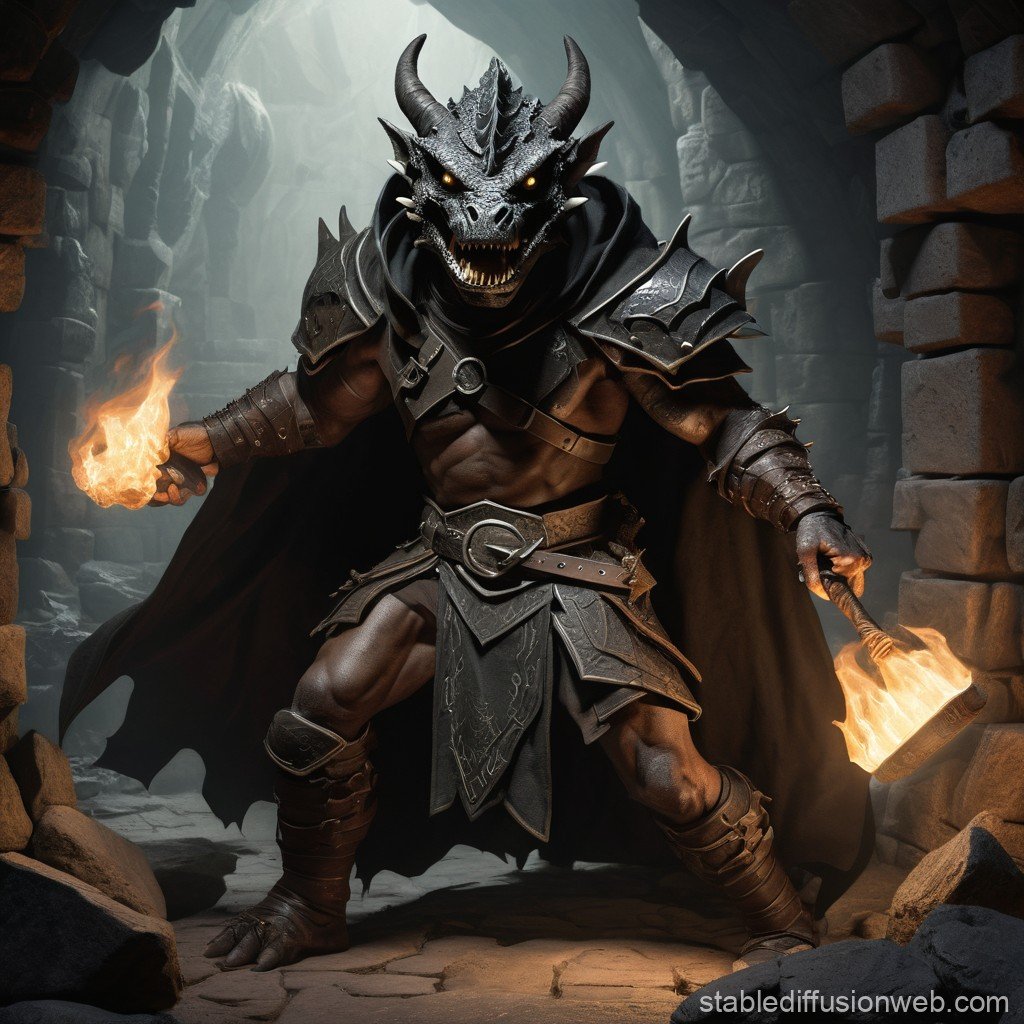
The clash of two worlds, the whispered prejudices, the roar of battle, and the quiet dignity of an outcast – these are the hallmarks of a Half-Orc. Forged from the raw power of orcish heritage and the sharp intellect of humanity, Half-Orc characters are complex tapestries of strength, ferocity, cunning, and resilience. But before your Half-Orc ever lifts an axe or delivers a scathing retort, their name sets the stage. Crafting a name for your Half-Orc character that truly resonates with their personality and backstory isn't just a minor detail; it's the very first stroke on their identity canvas, profoundly impacting immersion, role-playing, and how they navigate a world often wary of their dual nature.
At a Glance: Crafting the Perfect Half-Orc Name
- Embrace Dual Heritage: Blend harsh orcish sounds with subtle human influences.
- Meaning Matters: Choose names reflecting core traits like strength, loyalty, or cunning.
- Sound It Out: Prioritize names that are impactful, guttural, and easy to pronounce aloud.
- Reflect Backstory: Let the name hint at their upbringing, significant events, or aspirations.
- Personality Match: A name should echo their ferocity, intelligence, resilience, or even their hidden kindness.
- Keep it Concise: Shorter names often carry more punch and memorability.
- Don't Fear the Unique: While traditional names are great, don't shy away from something distinctive.
The Echo in the Blood: Understanding Your Half-Orc
Before you even think about syllables, truly understand the essence of a Half-Orc. They are more than just a blend of two races; they are a living dichotomy. Imagine the raw, untamed power of an orc – their rugged, muscular physique, often larger and stronger than humans, their natural toughness and resilience to pain, and that inherent aggressive, hot-tempered nature. Now, layer over that the human elements: a sharp cunning, intelligence, and a capacity for complex thought and emotion.
This unique combination often manifests as an intimidating presence, making them natural leaders or formidable warriors. Yet, beneath the gruff exterior, many Half-Orcs hold honor and loyalty in high esteem. The constant struggle for acceptance from both human and orc societies frequently leads to feelings of isolation, forging a character often defined by their fierce independence or their yearning for belonging. They are naturally skilled fighters, yes, but their dual heritage also makes them incredibly adaptable, excelling in diverse professions from mercenaries to diplomats. The one constant? Their unpredictability.
Your Half-Orc’s name should be a sonic reflection of this complex identity. It’s not just a label; it's a statement, a hint at the fires that burn within them, and the journey that has shaped them.
More Than Just Letters: Why a Half-Orc’s Name Carries Weight
Every character you bring to life needs a name, but for Half-Orcs, it's particularly vital. Think about it: this is a race often judged by appearance, ostracized, or misunderstood. A name can immediately subvert expectations, reinforce a stereotype (intentionally!), or provide a window into their true self.
- Deepening Immersion: A well-chosen name grounds your character in the world, making them feel real and integral to the narrative.
- Defining Identity: It’s the core of who they are, a constant reminder of their ancestry, choices, and aspirations.
- Unpacking Backstory: A name can hint at their upbringing—were they raised by humans, orcs, or in the wild? Did a significant event lead to a name change or an epithet?
- Enhancing Role-Playing: A name that truly fits helps you get into character, shaping their demeanor, speech patterns, and reactions.
- Boosting Memorability: A distinctive, fitting name makes your character unforgettable for both you and your fellow players.
- Adding Narrative Depth: It can spark curiosity, invite questions, and reveal layers of your character’s past and personality.
In essence, a Half-Orc's name is the very first piece of their story you share. It's an invitation to explore their world, understand their struggles, and cheer for their triumphs.
The DNA of a Half-Orc Name: Key Factors to Consider
So, how do you craft such a powerful identifier? It begins with considering several critical factors that blend the practical with the thematic.
Ancestral Resonance: Blending Human and Orcish Heritage
This is perhaps the most defining characteristic of Half-Orc names. Your character carries the blood of two disparate cultures, and their name can reflect this blend.
- Orcish Influences: Think strong, harsh, guttural sounds. Words that feel like they're carved from stone or bark, conveying raw power, aggression, and a connection to nature's untamed aspects. Consider sounds like 'Grom,' 'Thokk,' 'Drak,' 'Urg,' 'Grish,' 'Zarg.'
- Human Echoes: While less dominant in typical Half-Orc names, subtle human influences can suggest intelligence, cunning, or a more nuanced upbringing. This might mean a slightly softer consonant, an extra syllable, or a familiar vowel sound that breaks the pure orcish harshness. For example, a name like "Sylra" still has strength but isn't as purely guttural as "Grusha."
The balance you strike here speaks volumes about their origin. Were they raised predominantly by one parent’s kin, or did they grow up in a borderland, caught between both worlds?
Meaning that Matters: Speaking Volumes in a Single Word
Every impactful name carries an inherent meaning, even if it's not explicitly known to everyone in the game world. For Half-Orcs, these meanings often revolve around their core attributes and struggles.
- Strength & Bravery: Names signifying physical prowess, courage, or an unyielding spirit are common and fitting. Think "Gruumsh" (the orc god of war, strength), "Hrogath" (fire of battle), or "Gorva" (fierce).
- Resilience & Toughness: Given their inherent hardiness and often challenging lives, names that reflect endurance, an iron will, or survival are excellent choices.
- Cunning & Intelligence: For Half-Orcs who lean more into their human intellect, names subtly hinting at wit, wisdom, or tactical prowess can be incredibly compelling.
- Loyalty & Honor: For those who defy the savage stereotype, names that embody steadfastness, truth, or a strong moral compass can highlight their unique path.
Don't just pick a name that sounds cool; pick one that means something significant to your character's essence.
The Sound and the Fury: Pronunciation and Impact
Say it out loud. Does it roll off the tongue? Does it feel impactful?
- Harsh, Guttural Sounds: Many Half-Orc names leverage hard consonants (G, K, T, R), guttural 'H' sounds, and strong vowels (A, O, U). This gives them a primal, powerful feel.
- Ease of Pronunciation: While you want it to sound tough, you also want it to be easy for you and your fellow players to say during gameplay. Avoid overly complex consonant clusters or names that require a linguistics degree to articulate.
- Memorable Length: Shorter names (one or two syllables) tend to be more memorable and punchier. Think "Thokk," "Drakka," "Grom." Longer names can work, especially if they combine shorter elements, but ensure they don't become unwieldy.
The best Half-Orc names feel right when spoken, embodying the character's presence.
Personality & Alignment: The Inner Self Reflected Outward
Your character's name is a lens through which their personality is viewed.
- Ferocity vs. Wisdom: A fierce warrior might have a name like "Zugzug" (strong and agile, rogue), while a more thoughtful Half-Orc leader might bear a name that suggests wisdom or nobility, even with a harsh edge.
- Chaotic vs. Lawful: Characters with a chaotic or evil alignment might have names that sound harsher, more aggressive, or even menacing. Conversely, a lawful or good Half-Orc might have a name with a slightly nobler tone, suggesting restraint, purpose, or a connection to a cause. Think "Uzguk" (fearless) for a chaotic brute versus "Gharash" (hunter) for a focused, perhaps even honorable, tracker.
- Humor or Irony: Occasionally, a name might be intentionally contradictory, or even funny, especially if your character has a self-deprecating wit or a surprisingly gentle nature beneath a fearsome exterior. (Just be careful not to diminish their gravitas if you intend them to be taken seriously.)
Cultural Background: The Story Behind the Name
Beyond their immediate family, your Half-Orc's name can tell a story about their upbringing and the society that shaped them.
- Tribal Affiliation: Were they part of a specific orc tribe known for its ferocity, or its cunning? Did they bear a name reflecting their tribe’s totem or primary skill?
- Upbringing: A Half-Orc raised in a human city might have a more human-sounding name, perhaps even a common one given to them by adoptive parents, which they later add an orcish epithet to. One raised by orcs would likely have a purely orcish name, possibly even one given at a rite of passage.
- Values & Beliefs: If their name is tied to a specific value (e.g., courage, loyalty), it can reflect the lessons imparted by their family or community.
- Significant Past Events: Some names are earned, not given at birth. Perhaps they earned an epithet like "Bloodtusk" or "Brighthammer" after a pivotal moment in their youth. This also ties into the concept of a surname or a distinguishing title.
Considering these factors allows you to build a name that’s not just a word, but a miniature narrative in itself.
Crafting Your Own Half-Orc Name: A Step-by-Step Guide
Ready to forge a name as formidable as your character? Here’s a practical approach:
- Start with Core Traits: Jot down 2-3 defining personality traits and a significant aspect of their backstory. Are they a 'Loyal but Hot-Tempered Fighter' or a 'Cunning and Isolated Diplomat'?
- Incorporate Orcish Elements: Begin experimenting with strong, aggressive-sounding syllables or actual Orcish words if your setting has them. Think about sounds: 'Grak,' 'Thul,' 'Zurg,' 'Krag,' 'Mog.' Combine them: "Grak-og," "Thul-karr."
- Weave in Human Nuance (Optional): If your Half-Orc leans into their human side, soften one of those harsh sounds slightly, or add a more familiar vowel. For example, 'Grak' becomes 'Grisha,' 'Thul' becomes 'Thalia.'
- Reflect Physicality: Does your Half-Orc have a distinctive feature or overwhelming strength? Let the name hint at it. For someone huge, "Gronk" or "Hulk" might fit. For someone tough, "Ironskin" or "Bonebreaker."
- Consider Cultural Context: If they were raised by a human blacksmith, maybe "Gorak Ironside" suggests their adopted profession. If they're from a wild orc clan, "Draka Skullsplitter" might be more apt.
- Play with Alliteration or Rhyme: This isn't just for children's books; it makes names memorable and often gives them a heroic or imposing feel. "Gruumsh Grimjaw" or "Thokk Thunderhand."
- Ensure Pronounceability: Say the name out loud several times. Can you and your friends easily pronounce it without stumbling? If not, simplify it.
- Match to Personality & Backstory: Does the name feel right for the character you envision? Does it evoke their ferocity, cunning, loyalty, or resilience? Did they earn this name, or was it given? If it's an earned name, what act led to it? If it's a given name, what does it mean to their birth parents?
By following these steps, you’ll not just pick a name, but create one that’s deeply intertwined with your character’s identity. If you're looking for more inspiration, or need a quick spark, a Half-Orc name generator can be a fantastic tool to kickstart your imagination, offering unique combinations and ideas you might not have considered.
Beyond the Basics: Name Archetypes and What They Say
Let's explore some common archetypes for Half-Orc names and what each style communicates about the character.
The Brute Force Names: Emphasizing Strength and Physicality
These names leave no doubt about the character's power and imposing presence. They often sound heavy, solid, and evoke images of raw might.
- Examples: Gronk, Brawn, Grimjaw, Hulk, Crusher, Tusk.
- What they say: "I am strong. I am tough. I am a force to be reckoned with." These names suit frontline fighters, bodyguards, or any Half-Orc whose primary asset is their physical power. They suggest a character who solves problems with direct action.
The Feral Fury Names: Highlighting Aggression and Temperament
For the Half-Orcs who lean into their hot-tempered, aggressive nature, these names are sharp, quick, and often alarming.
- Examples: Rage, Fury, Berserker, Savage, Brute, Bloodlust.
- What they say: "My temper is short, and my actions are swift and brutal." These names are perfect for barbarians, chaotic warriors, or characters known for their intimidating outbursts and willingness to dive headfirst into conflict.
The Unbreakable Names: Connoting Resilience and Endurance
Life as a Half-Orc is often hard, and many develop an incredible capacity for endurance. These names reflect that toughness.
- Examples: Bonebreaker, Blackiron, Titanheart, Juggernaut, Ironskin.
- What they say: "I have survived impossible odds. I will not break." These names are fitting for tanks, grizzled veterans, or characters who have endured much hardship and emerged stronger. They suggest an unwavering spirit and deep fortitude.
The Menacing Monikers: Projecting Intimidation and Presence
Some Half-Orcs don't just act intimidating; they embody it. Their names alone can strike fear.
- Examples: Axl the Axe, Brock the Butcher, Damon the Destroyer, Gorgon the Great.
- What they say: "Approach me with caution. My reputation precedes me." These names are excellent for villains, feared mercenaries, or characters who leverage their intimidating aura to achieve their goals, whether through fear or respect.
The Skillful Striker Names: For the Master of Arms
Beyond raw strength, many Half-Orcs hone their fighting skills to a deadly edge. These names highlight their proficiency.
- Examples: Aldric the Arrow, Bjorn the Berserker, Finn the Fighter, Hector the Hunter.
- What they say: "I am not just strong; I am skilled. My weapon is an extension of myself." These names are ideal for rangers, master archers, or specialized warriors who are known for their particular combat prowess rather than just general brawn.
The Unconventional Talents: Highlighting Diverse Skills
Not all Half-Orcs are simple warriors. Many leverage their human intelligence and adaptability for diverse roles.
- Examples: Alaric the All-Rounder, Cassius the Cunning, Johan the Jack-of-all-Trades.
- What they say: "I defy expectations. My talents extend beyond the battlefield." These names are perfect for diplomats, rogues, artificers, or any Half-Orc character who embraces a path less traveled, showcasing their versatility and intelligence.
The Enigmatic & Erratic Names: For the Unpredictable Soul
Given their dual heritage, unpredictability is a Half-Orc hallmark. Some names lean into this mystique.
- Examples: Caleb the Capricious, Ethan the Erratic, Maxwell the Maverick.
- What they say: "You never know what I'll do next. I am a wildcard." These names suit characters who keep others guessing, whose allegiances are fluid, or whose actions are driven by a unique internal logic.
The Traditional Echoes: Roots in Orcish Language
Sometimes, the simplest, most traditional Orcish names are the most powerful, carrying the weight of ancient heritage.
- Examples: Grommash, Drakka, Thokk, Grusha (meaning "strong"), Gruumsh, Hrogath, Zugzug, Uzguk, Gharash, Zarn, Gromm, Gorva, Kurta.
- What they say: "I honor my heritage. My roots run deep." These names are versatile and can fit any Half-Orc, often serving as a solid base upon which a personality can be built. They are reliable, powerful choices.
The Echoes of Legend: What Famous Half-Orc Names Teach Us
Looking at established characters can provide a wealth of inspiration and demonstrate how names can encapsulate an entire character arc.
- Grommash Hellscream (Warcraft): "Grommash" is a classic, harsh-sounding orcish name, immediately conveying power. "Hellscream" as a surname tells you everything you need to know about his temperament and legacy. It's evocative, brutal, and iconic, perfectly matching his fierce, uncompromising nature.
- Drizzt Do’Urden (Forgotten Realms): While primarily a Drow, Drizzt's story often features themes of racial prejudice and the struggle to defy an evil heritage, much like many Half-Orcs. His name is lyrical and distinct, reflecting his unusual path and noble spirit compared to his kin. It shows how a name can immediately set a character apart.
- Throgg (Warhammer): A short, sharp name that sounds weighty and strong, fitting for a monstrous and powerful figure. It's guttural and memorable, typical of Warhammer's grimdark aesthetic.
- Thokk (Critical Role): Another short, punchy name. It's direct, impactful, and easily memorable. For a character defined by her strength and straightforwardness, "Thokk" is perfectly apt.
- Garona Halforcen (Warcraft): "Garona" has a slightly softer, more exotic sound than many purely orcish names, hinting at her dual heritage and the struggles it brought. "Halforcen" explicitly states her lineage, a common naming convention that directly addresses their mixed blood. Her name reflects her role as a bridge (and often a conflicted figure) between worlds.
- Uglúk (J.R.R. Tolkien’s The Lord of the Rings): A harsh, guttural name that fits perfectly with the savage, brutal Uruk-hai leader. Its sound conveys aggression and a lack of refinement, instantly signaling his character.
These examples highlight that whether a name is traditional, descriptive, or even a bit unique, its effectiveness lies in its synergy with the character's core identity.
Beyond Stereotypes: Naming for Nuance
It's easy to fall into the trap of naming every Half-Orc "Bloodaxe" or "Smashfist." While these can be great, remember the depth and complexity inherent in the Half-Orc identity. Not every Half-Orc is a raging barbarian. Your character might be:
- A Studious Sage: "Kargath Lore-seeker."
- A Gentle Healer: "Grisha Leaf-hand."
- A Charming Diplomat: "Urgash Silver-tongue."
- A Cunning Rogue: "Zash the Shadow."
Their name can hint at these unexpected paths. Perhaps they have a traditional, harsh name, but their chosen epithet or surname speaks to their unique skills or aspirations. This contrast can be incredibly powerful for storytelling. Don't be afraid to give your Half-Orc a name that subverts expectations, showcasing their defiance of stereotype.
Common Pitfalls to Sidestep When Naming Your Half-Orc
Even with all these guidelines, it's easy to stumble. Here are a few traps to avoid:
- The Tongue-Twister: A name that’s too hard to pronounce or remember will break immersion and frustrate everyone at the table. If you struggle to say it, so will your fellow players.
- The Generic Placeholder: "Orcguy McOrcface" isn't a name; it's a missed opportunity. Your Half-Orc deserves more than a last-minute, uninspired label.
- The Contradictory Mismatch (Unintentionally): Unless it's a deliberate narrative choice, a name like "Sparklehoof" for a grizzled, intimidating warlord will just confuse. Ensure the name's tone aligns with your character's primary identity.
- Overly Complex Meanings: While meaning is important, don't pick a name so obscure or packed with hidden lore that no one (including you) can remember its significance. Keep it impactful but accessible.
- Failing to Test It Out: Write it down, say it aloud, and imagine your Dungeon Master or fellow players using it. Does it feel right in the flow of conversation?
Your Half-Orc’s name should enhance the game, not hinder it.
Forging Your Character's Legacy: Your Naming Journey Continues
The name you choose for your Half-Orc character is more than just a label; it's a foundational stone for their identity, a whisper of their past, and a declaration of their future. It's an opportunity to explore the fascinating duality of their heritage, their struggles for acceptance, and their unique place in the world.
Take your time with this crucial step. Experiment with sounds, meanings, and backstories. Don't be afraid to revisit and refine until you find that perfect combination that resonates with the character you envision. A powerful, thoughtful name will not only deepen your own connection to your Half-Orc but will also ensure they stand out, becoming a truly unforgettable presence in any story you tell. So go forth, embrace the clash of worlds, and give your Half-Orc a name that truly roars.