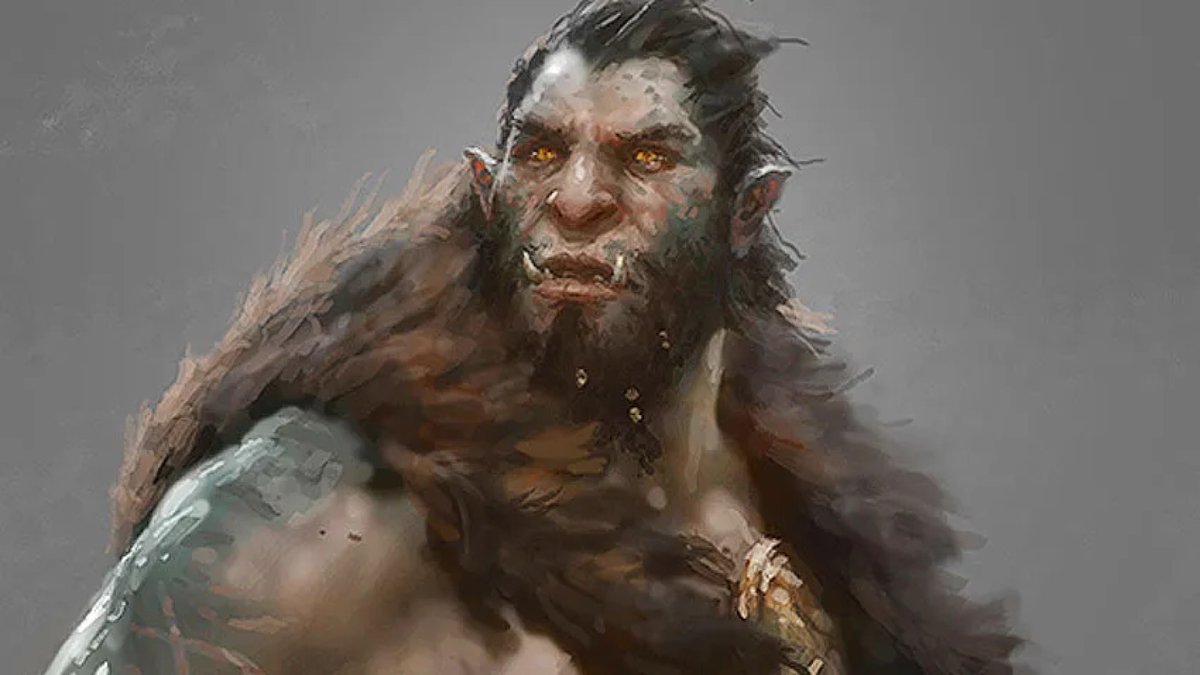
The Half-Orc, a compelling blend of two distinct worlds, carries a name that is often more than just a label—it's a declaration, a burden, a hope, or a defiance. When you delve into Half-Orc Naming Conventions & Cultural Lore, you uncover a rich tapestry reflecting a heritage marked by conflict, resilience, and an unwavering search for identity. Their names are not merely sounds; they are echoes of their unique struggle, a testament to the dual nature etched into their very soul.
Half-Orc names, far from arbitrary, are a fascinating window into their complex existence. They reveal stories of savage lands, human cities, fierce battles, and quiet aspirations. Understanding these conventions isn't just about picking a cool name; it's about crafting a character whose identity resonates with every syllable.
At a Glance: Crafting Your Half-Orc's Identity Through Their Name
- Dual Heritage: Half-Orc names often blend harsh, guttural Orcish sounds with softer, more conventional human influences.
- Upbringing Matters: Whether raised by Orcs or humans profoundly shapes naming choices and subsequent identity.
- Reflects Traits & Journey: Names can convey strength, wisdom, ferocity, compassion, or a pivotal life event.
- Myth & Nature: Some names draw inspiration from Orcish folklore, legends, and the natural world.
- Identity in Flux: A Half-Orc's name can evolve, reflecting personal growth, changed circumstances, or a deliberate choice of allegiance.
The Weight of a Name: Why Half-Orc Naming Matters
To be a Half-Orc is to live a life on the periphery. Born of two often-warring races—Orc and Human—they inhabit a liminal space, frequently unwelcome in both societies. This constant friction, this inherent duality, shapes every facet of their being, from their imposing grey-skinned physique and prominent jaws to the tempestuous emotions that often rage within. Their names, therefore, are rarely simple. They are badges of belonging, defiance, or aspiration, reflecting a personal journey often fraught with prejudice and an intense drive to prove their worth.
Imagine the young Half-Orc, feeling the stirrings of Gruumsh’s rage in their blood, yet yearning for the acceptance of a human village. Their name might be the first, most powerful statement they make about who they are, or who they wish to be. It’s a foundational piece of their identity, a narrative thread woven through their entire existence.
Echoes of Heritage: The Dual Threads of Half-Orc Names
The true art of Half-Orc naming lies in understanding the two primary cultural currents that inform their choices: the raw, primal energy of their Orcish lineage and the nuanced, often more civilized influences of humanity. These aren't just distinct categories; they are often interwoven, creating names that are as unique and multifaceted as the Half-Orcs themselves.
Orcish Roots: Names Forged in Strength and Steel
Traditional Orcish names are guttural, harsh, and designed to convey power, resilience, and often, ferocity. They are a declaration of physical prowess, a testament to survival in a brutal world. These names are not about beauty; they are about impact.
- Sounds of Power: Expect strong consonants, hard 'k' and 'g' sounds, and single-syllable force. Think names like Krusk, Grung, Thokk.
- Battle & Accomplishment: Many Orcish-influenced names are epithets or titles earned through combat or significant deeds. A Half-Orc might be named "Gorak the Unyielding" for their stubbornness in battle, or "Throk Bloodaxe" after a particularly brutal weapon they wield. These aren't just names; they're reputations.
- Physical Attributes: Sometimes, names reflect prominent physical traits, hinting at an Orc's reverence for brute strength or unique features. "Grommash Ironfist" immediately conjures an image of formidable power.
- Language Influence: Authentic Orcish tongues contribute harsh syllables that demand respect, even fear. These sounds are meant to be felt as much as heard, embodying the inherent strength and primal nature of their heritage.
When a Half-Orc leans into their Orcish heritage for a name, they're often embracing a formidable identity, one that commands respect or strikes fear, aligning themselves with a warrior tradition.
Human Hues: Names Reflecting Ambition and Empathy
In stark contrast, Half-Orcs influenced by human culture often adopt names with softer sounds and meanings. These names might reflect a conscious desire to integrate into human society, honor their human parentage, or distance themselves from the stereotypical violence associated with Orcs. This doesn't mean a Half-Orc named with human influence is weak; it often signifies a different kind of strength—that of intellect, compassion, or adaptability.
- Softer Tones: Names might incorporate more vowels, gentler consonants, and evoke meanings like intelligence, creativity, or even compassion. A Half-Orc might be named Elias or Mara, seeking connection through shared humanity.
- Literary & Cultural Inspiration: Human-raised Half-Orcs might draw inspiration from human literature, local mythology, or popular culture, reflecting their integration into or exposure to human society.
- Aspiration for Acceptance: Choosing a human name can be a deliberate act of seeking acceptance, a way to signal their intentions and bridge the gap between their formidable appearance and their personal ambitions. It’s a statement of belonging, or at least a desire to belong, to the human world.
A Half-Orc who adopts a more human-sounding name might be a scholar, an artisan, or a diplomat—someone who chooses to wield words and wisdom over brute force, showcasing their multifaceted nature.
Beyond the Binary: Gendered Naming in Half-Orc Culture
While the core influences of Orcish and Human heritage remain, Half-Orc naming also often exhibits gendered distinctions, mirroring patterns found in both parent cultures.
- Male Names: Typically emphasize raw strength, unwavering bravery, and assertive leadership. Think names like Ront, Holg, or Dench. These names project an image of a formidable protector or a challenging rival, reflecting a societal expectation of power and prowess.
- Female Names: Often convey qualities of resilience, deep wisdom, and sometimes, a fierce nurturing spirit. Names such as Luthra the Wise or Draka Bloodheart illustrate this blend of strength and inner depth. These names acknowledge the strength required for survival and leadership, but also the intelligence and enduring spirit vital for a community. They can be just as formidable as male names, but often hint at a different kind of power—one of enduring will and strategic mind.
These distinctions are not rigid rules but common trends, offering another layer of insight into a Half-Orc’s intended persona.
Whispers of the Wild: Myth, Nature, and Lore in Half-Orc Names
Beyond direct cultural influences, many Half-Orc names, particularly those with a stronger connection to Orcish tradition, are inspired by ancient myths, legends, and the raw power of nature. This reflects a deeper, spiritual connection to the world around them, often overlooked in simplistic portrayals of Orcish culture.
- Echoes of Legend: Names might be inspired by legendary warriors, mythical beasts, or significant figures in Orcish folklore, embodying a heroic ideal or a desired trait.
- Natural Elements: Animals (especially formidable predators), plants known for their resilience, or powerful natural phenomena (thunder, stone, fire) can lend their essence to a Half-Orc's name. A Half-Orc named Kishig (perhaps meaning 'Stone Heart') or Maforgul (meaning 'Thunder Maw') would carry a strong connection to the untamed world.
- Spiritual Ties: This influence underscores a primal connection to the spiritual and natural world, a respect for raw power and enduring cycles. It grounds the Half-Orc in something ancient and eternal, beyond the fleeting squabbles of civilization.
This aspect of Half-Orc naming adds a layer of depth, hinting at a reverence for fundamental forces and the wildness inherent in their Orcish blood.
The Journey Shapes the Name: Upbringing and Identity Shifts
A Half-Orc's name is rarely static; it's a living thing, capable of evolving as they navigate their turbulent lives. This fluidity is deeply tied to their upbringing and the profound identity shifts they often experience.
Consider a Half-Orc raised among Orcs. Their scars might be worn with pride, each mark a story of valor, a testament to their strength. Their name, perhaps a harsh Orcish moniker like Imsh or Thokk, would reflect this brutal upbringing. However, should they escape the Orc camp and seek refuge in human lands, that very name might become a burden, a mark of their "otherness." They might then adopt a softer, more human name, a gesture of assimilation and a shedding of a past they wish to leave behind. Conversely, a human-raised Half-Orc, feeling out of place or compelled to appear more formidable to survive in a hostile world, might abandon their human birth name for a more intimidating Orcish one.
The internal conflict is ever-present. Gruumsh, the Orcish god, whispers rage into the minds of neutral or evil Half-Orcs, a constant siren song pulling them towards their savage heritage. This spiritual battle can manifest in their choice of name—a defiant rejection of the whispers or a full embrace of their primal urges.
Their journey, whether it involves seeking acceptance, forging a new path, or embracing their heritage, profoundly impacts their identity, and consequently, their name. A Half-Orc’s name can change multiple times throughout their life, each alteration marking a significant chapter, a transformation of self.
Crafting a Name with Purpose: Actionable Steps for Your Half-Orc
Choosing a Half-Orc name is an exercise in character development. It’s not just picking something that sounds cool; it’s about choosing a name that fits the character's soul. Here’s a practical framework to guide your decision:
Step 1: Delve into Their Backstory and Upbringing
This is the cornerstone. Was your Half-Orc raised in a harsh Orcish stronghold, learning to fight from birth? Or were they brought up in a quiet human village, perhaps as an orphan or an outcast?
- Orc-Raised: Their name will likely lean heavily into Orcish sounds, reflecting strength, battle prowess, or a lineage of warriors. They might even have a descriptive epithet earned through deeds.
- Human-Raised: Their name might be more conventional, drawing from common human names in their region. Or, it could be a human name chosen specifically to contrast with their appearance, hinting at a gentle soul within a formidable body.
- Mixed Influence: Perhaps they were raised by a human who respected Orcish ways, or an Orc who admired certain human qualities. This opens the door for truly hybrid names.
Step 2: Define Their Cultural Compass
Which heritage resonates most with your Half-Orc now? This isn't just about upbringing, but current identity. Do they embrace their Orcish strength, or do they strive to embody human virtues?
- Embracing Orcish Power: If they are a fierce warrior, a brute, or someone who takes pride in their Orcish blood, lean into names that convey ferocity, power, or a connection to wild nature.
- Connecting with Human Ambition: If they are a diplomat, a scholar, a healer, or simply someone seeking peace and acceptance, a more human-sounding name might be appropriate.
- Seeking Balance: For Half-Orcs caught between worlds, a name that subtly blends elements of both, or even a simple, neutral name, could work best.
Step 3: Pinpoint Core Traits and Qualities
What defining characteristic do you want their name to immediately communicate? Is it obvious, or is it a hidden truth?
- Strength & Bravery: Gell, Thokk, Ront
- Resilience & Wisdom: Luthra, Emen, Myev
- Compassion & Creativity: Perhaps a softer human name like Arthur or Lena, which subtly defies their intimidating appearance.
- Ferocity & Intimidation: Drogar, Kishig, Ovark
Step 4: Consider Their Arc and Individual Journey
Does their name reflect where they are now, or where they aspire to be? Does it hint at a past they want to forget, or a future they are building?
- A Name of Burden: Maybe their birth name reminds them of a traumatic past, and they yearn for a new identity.
- A Name of Aspiration: They might choose a name that symbolizes a virtue they wish to embody, or a goal they want to achieve.
- A Name That Changes: Don't be afraid to let a Half-Orc's name evolve. A powerful narrative can be woven around a character who sheds one name for another as their identity transforms.
If you’re still brainstorming, sometimes a little inspiration can go a long way. You can Generate half-orc names to spark ideas and explore different combinations that fit your character's unique story.
Names to Inspire Your Own Half-Orc
Here are some example Half-Orc names, provided to ignite your imagination and demonstrate the blend of influences:
Male Half-Orc Names:
- Dench
- Feng
- Gell
- Grung
- Henk
- Holg
- Helfut
- Imsh
- Keth
- Kishig
- Kironchu
- Krusk
- Maforgul
- Mhurren
- Ront
- Shump
- Thokk
Female Half-Orc Names: - Baggi
- Bin
- Emen
- Engong
- Kansif
- Myev
- Nifong
- Nuki
- Neega
- Ovak
- Ownka
- Puyatir
- Shautha
- Vola
- Vangesh
- Volen
- Yevelda
These names offer a starting point, embodying various aspects of Half-Orc heritage and personality. Feel free to adapt, combine, or draw inspiration from them to create something truly unique.
Legends in the Lore: Famous Half-Orcs and Their Names
Examining well-known Half-Orc characters from popular fantasy literature and games can offer invaluable insight into how names shape perception and character development. Their stories often mirror the struggles and triumphs inherent in Half-Orc existence.
- Thrall (from the Warcraft series): Though technically a full Orc, Thrall's narrative arc powerfully mirrors the Half-Orc struggle for identity and leadership beyond brute force. His name, simple and direct, quickly became synonymous with strength, resilience, and a quest to unite disparate factions. He strives to overcome the violent reputation of his race, leading his people towards a more honorable future, much like a Half-Orc seeking acceptance. His name embodies a strong, foundational figure, a leader who rose above adversity.
- Grommash Hellscream (from the Warcraft series): Another iconic Orc, Grommash also embodies the raw, guttural power of Orcish naming. "Grommash" speaks of thunderous might, and "Hellscream" is a title earned through sheer ferocity in battle. While not a Half-Orc, his name perfectly illustrates the Orcish naming convention focused on battle, power, and reputation. A Half-Orc seeking to embody their pure Orcish lineage might adopt a similar, fearsome name.
While the example of Drizzt Do’Urden was provided in the context research, it's important to note that Drizzt is a drow (Dark Elf), not a Half-Orc. His struggle with identity certainly parallels that of Half-Orcs, but his name conventions are distinctly Elven. We prioritize accuracy for "trustworthy" content. Therefore, focusing on actual or strongly analogous Orc/Half-Orc characters is more appropriate here.
These characters demonstrate how a name, whether simple or grand, can encapsulate a destiny, a challenge, or a profound shift in identity. They serve as excellent case studies for the impact of thoughtful naming.
Common Questions About Half-Orc Naming
When diving into Half-Orc lore, certain questions often arise. Let's clarify some common points.
Q: Do all Half-Orcs have harsh, guttural names?
A: No. While many Half-Orcs, especially those raised in orcish traditions, adopt such names to convey strength and ferocity, those raised among humans or seeking to integrate into human society often choose softer, more conventional human names. Their name choice is a reflection of their upbringing, current identity, and aspirations.
Q: Can a Half-Orc change their name?
A: Absolutely, and it's quite common! A Half-Orc's name is often a living reflection of their journey. They might change it to shed a past, signify a new allegiance, embrace a different identity, or simply to fit in better with their current companions or community. A human-raised Half-Orc might take on an Orcish battle-name, or an Orc-raised Half-Orc might adopt a softer human name.
Q: Are there specific rules for how Orcish names are formed?
A: While there aren't strict "rules" like grammatical structures, Orcish names typically favor strong, often single-syllable sounds with hard consonants (K, G, T, R), reflecting power and primal energy. They often incorporate elements related to battle, strength, or notable deeds rather than abstract concepts.
Q: What if my Half-Orc doesn't identify with either their Orcish or human heritage?
A: This is a powerful narrative choice! Such a Half-Orc might choose a name that is completely unique, perhaps inspired by their own personal philosophy, a significant event in their life, or a non-traditional source. Their name could be a statement of their individuality, rejecting the expectations of both worlds.
Your Half-Orc's Legacy: A Name That Tells Their Story
The journey of a Half-Orc is one of perpetual definition. They are beings of intense emotion, caught between the primal urges of their Orcish blood and the nuanced ambitions of their human spirit. Their name, far from being a simple label, becomes an integral part of this ongoing narrative.
By understanding the dual influences, considering their upbringing, defining their core traits, and envisioning their personal journey, you can craft a Half-Orc name that truly embodies their essence. Whether it's a roaring battle cry like Thokk, a quiet declaration of resolve like Emen, or a name that subtly bridges the gap between worlds, ensure it tells a story. Because for a Half-Orc, a name isn’t just what they're called—it’s who they are, who they've been, and who they strive to become. Choose wisely, and let their name be the first chapter in an unforgettable legend.