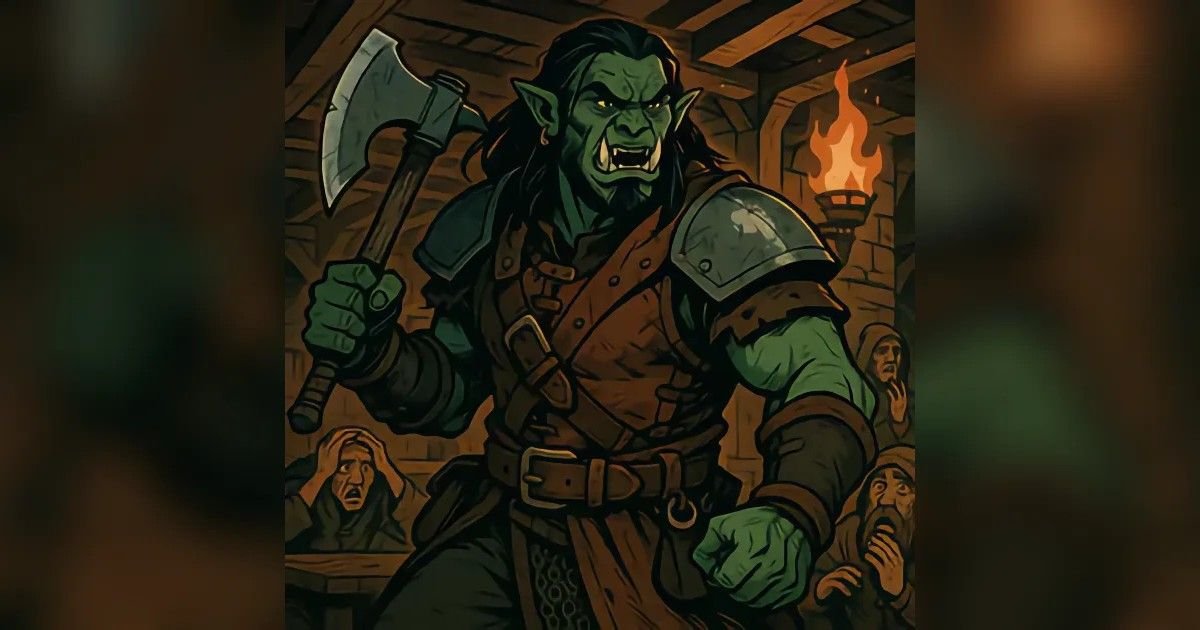
Best Half-Orc Name Generators & Tools for Forging Your Character's Identity
The moment you conceive a new half-orc character, a powerful question emerges: what will they be called? This isn't just about picking a random string of syllables; it's about crafting an identity that reflects their unique heritage—the raw power of their orcish lineage tempered by human cunning and adaptability. Finding the Best Half-Orc Name Generators & Tools can be the crucial first step in breathing life into these compelling, often conflicted, heroes and villains.
At a Glance: Forging Your Half-Orc's Name
- Dual Heritage is Key: Half-orc names should ideally blend harsh orcish sounds with more human elements.
- Consider Lineage: Does their name lean more towards their orcish or human parentage?
- Epithets & Surnames: Add a second layer of identity, reflecting deeds or clan ties (e.g., Stonefist, Ironhand).
- Generators Are Your Friend: Use them for inspiration, to break through creative blocks, and to explore diverse options.
- Look for Features: Good generators offer unlimited options, easy copying, and the ability to regenerate many choices quickly.
Why Your Half-Orc's Name is More Than Just a Label
A half-orc's name is a foundational piece of their identity, often speaking volumes about their past, their nature, and the path they've walked. Unlike full-blooded orcs, who often carry names echoing brute strength and tribal belonging, or humans with their vast range of cultural names, half-orcs exist in a liminal space. Their names can reflect this duality: the untamed spirit of their orcish bloodline mixed with the resilience and nuance of humanity.
This inherent tension is what makes naming a half-orc so compelling. Do they bear a name given by their human parent, perhaps a symbol of acceptance, or a constant reminder of their "otherness"? Or do they carry a name bestowed by an orc clan, a gruff moniker that might feel ill-fitting in human society? Maybe they forge a new name for themselves, one that embodies their personal journey—a testament to their survival and self-determination.
Think of the lore surrounding half-orcs. Many legends speak of their origins, from a hobgoblin empire forging them as tools to humans deliberately breeding with orcs to strengthen their lineage. This mixed heritage often leaves them without a true home, causing them to wander, to seek adventure, or to forge their own path alongside others who accept them for who they are. Their name, then, becomes a banner for this unique journey.
The Anatomy of a Powerful Half-Orc Name: Blending Blood and Bronze
Crafting a half-orc name isn't just about mashing sounds together; it's about making deliberate choices that resonate with your character's essence. The most impactful names often strike a balance between guttural strength and a touch of human adaptability.
Here are the critical elements to consider when you're forging a name:
- Dominant Lineage: Which parent's heritage holds more sway in their name?
- Orc-Dominant: Names might lean into harsh, guttural sounds, often with sharp consonants (G, K, R, Z) and fewer vowels. Think "Grimgor," "Thraka," or "Borlag." These names suggest raw power, a connection to the wild, or perhaps a life forged in battle.
- Human-Dominant: Names could be more melodic, with a greater variety of vowel sounds and softer consonants, but perhaps with a subtle twist to indicate their orcish strength. Consider "Lyra" with an added "Stonefist" or "Marcus" with a powerful, Orcish-sounding surname like "Korgash."
- Truly Blended: These names aim for a seamless fusion, perhaps a human first name with an orcish-sounding surname, or a first name that itself sounds like a hybrid—something like "Ragnar Ironhide" or "Durgen Swiftblade."
- Harshness vs. Softness: Do you want the name to sound intimidating and savage, or more nuanced and approachable?
- Harsh Tones: Utilize more abrupt, single-syllable sounds or combinations that evoke strength (e.g., "Klarg," "Drognar," "Urzog").
- Softer Tones: Incorporate more flowing sounds or common human name elements (e.g., "Elara," "Rhys," "Brenna"), perhaps balancing them with a harsher surname or epithet.
- Epithets, Surnames, or Clan Names: These add depth and context, often reflecting a deed, a physical characteristic, or a tribal affiliation.
- "Gorgrim Ironhand"
- "Lyria Stonefist"
- "Ulfric Bloodaxe"
- "Zog Skullcrusher"
These secondary identifiers are powerful story hooks, hinting at past exploits or defining traits. For half-orcs especially, an epithet might be the name they truly earn, rather than inherit, reflecting their independent spirit.
- Syllable Count for Impact:
- Short, Punchy Names: One or two syllables can convey immediate power and directness (e.g., "Grak," "Krug," "Frak").
- Longer, More Complex Names: Three or more syllables can suggest a more distinguished, perhaps more cunning, character, or one with a broader lineage (e.g., "Gorgonax," "Thorgash," "Vashnar").
- Hint of Honor or Savagery: Does the name carry a sense of noble strength, or does it lean into the wild, brutal aspects often associated with orcs? A name like "Grognak" might imply raw power, while "Durgan Grimshield" might suggest a more stoic, protective figure.
By considering these factors, you move beyond mere randomness and start to sculpt a name that truly fits the character you envision.
Navigating the Digital Wilds: What Makes a Top-Tier Half-Orc Name Generator?
In the vast landscape of online tools, not all name generators are created equal. For your half-orc, you need a generator that doesn't just spit out words, but offers genuine inspiration.
Here’s what to look for when choosing the best half-orc name generator:
- Richness and Variety: The best generators pull from a diverse pool of prefixes, suffixes, and name elements, ensuring that you don't get the same five names recycled endlessly. They should offer a good blend of those harsh orcish sounds and more familiar human tones.
- Unlimited Generation: You should be able to click and regenerate names as many times as you like. Sometimes, the perfect name appears only after dozens of tries. A good generator won't limit your creative exploration.
- Ease of Use: A clean interface that allows you to generate names with a single click is paramount. No complex forms or hidden menus—just quick, satisfying results.
- Copy and Save Functionality: Once you find a name (or several favorites), you need to be able to easily copy it to your clipboard or save it for later review. Many tools offer a "heart" or "star" icon to stash names in a temporary favorites list.
- Lore-Friendly (Generally): While specific lore might vary wildly between settings (D&D, Pathfinder, custom worlds), a good half-orc generator adheres to generic conventions. It shouldn't pull names that sound entirely human or entirely elven, for instance. It understands the "ferocity and humanity" blend inherent to the race.
- Inspiring Epithets/Surnames: Generators that offer second names or epithets alongside first names are invaluable. This helps you build a fuller identity, like "Gorgrim Ironhand" or "Lyria Stonefist," directly mirroring the kind of blended identity half-orcs often possess.
It's important to note that most random generators don't offer a direct "slider" to specify the balance between orcish and human elements. Instead, the trick is to keep regenerating until a mix that aligns with your vision appears. Think of each click as a new roll of the dice in the great game of character creation!
Spotlight on Generators: Finding Your Digital Forging Tool
When it comes to dedicated tools, you'll find a range of options ready to assist. For a comprehensive starting point, we recommend checking out Our Half-Orc name generator. It's designed to merge those distinctive harsh orcish syllables with more common human names, giving you a strong foundation for your character. Whether you need a name hinting at raw power or clever resilience, these tools can provide a burst of inspiration.
The beauty of these platforms lies in their simplicity. You typically click a button, and voilà, a list of potential names appears. Don't like them? Click again. This iterative process allows you to quickly explore hundreds, even thousands, of unique combinations until you land on the one that just feels right for your half-orc.
Many of these generators are inspired by classic fantasy settings like Dungeons & Dragons, offering names that feel at home in worlds filled with adventure. They understand that half-orcs, often without a true home, frequently choose a life of adventure, finding camaraderie in a party of their equals. A name generated from such a tool can subtly hint at this adventurous spirit.
Crafting Your Half-Orc's Identity: Beyond Just a String of Syllables
While a generator gives you a fantastic starting point, the true magic happens when you infuse that name with your character's unique story.
- The Weight of a Surname: If a generator gives you a great first name, consider adding a surname or epithet that isn't randomly generated. Perhaps it's a descriptive name earned through an exploit, like "Grimfang" after a battle with a dire wolf, or "Swiftfoot" for their prowess in tracking. This can be a more personal touch than what a generator provides.
- Name as Prophecy: Does the name subtly hint at their destiny? A half-orc named "Krag the Peacemaker" would be immediately intriguing, suggesting a conflict with their brutish heritage. Conversely, "Lyra Bloodfury" might telegraph a character prone to fits of rage.
- Evolution of a Name: Perhaps your half-orc starts with a human name from their mother, but then adopts a grittier, orcish-sounding nickname from their adventuring companions. Or they might shed an old, painful name for a new one that signifies a turning point in their life.
- Connecting to Personality: Orcs are often stronger, more brutal, and savage than half-orcs, who tend to be more intelligent and resourceful. Does your half-orc's name reflect their intelligence (e.g., "Thorgal Cleverhand") or their raw strength (e.g., "Gruka Ironhide")? Humans are often physically weaker than half-orcs, so a half-orc might often do the more labor-intensive jobs, a fact that could even be reflected in a name or epithet, like "Brenna the Builder."
Remember, half-orcs often face prejudice due to their appearance and general personality. Their chosen name, or the name they carry, can be a powerful statement against such biases, or a defiant embrace of their unique identity.
Common Half-Orc Naming Pitfalls to Avoid
Even with the best tools, it's easy to fall into certain traps. Here’s what to sidestep to ensure your half-orc's name truly shines:
- Too Generic: A name that could belong to any race often misses the core essence of a half-orc. Aim for that distinctive blend.
- Overly Human or Orcish: While some half-orcs might lean heavily on one side, a name that's too purely human or too purely orcish can lose the compelling hybrid flavor.
- Hard to Pronounce/Remember: While unique is good, make sure the name isn't a tongue-twister that breaks immersion every time it's spoken at the table.
- Lack of "Oomph": Half-orcs are formidable characters. Their names should carry some weight, some resonance, reflecting their strength, resilience, or even their sorrow. A flimsy or forgettable name can undermine a powerful character concept.
- Ignoring Context: A name like "Daisy Meadowbrook" would likely feel jarring for a hardened half-orc barbarian. Always consider your character's backstory, class, and temperament when evaluating a generated name.
Frequently Asked Questions About Half-Orc Names
You've got questions about these unique hybrids, and we've got answers to help you forge that perfect name.
How are half-orc names typically generated by online tools?
Most half-orc name generators work by randomly blending orcish prefixes and suffixes with human name elements. They pull from a large database of sounds and syllables designed to evoke that mixed heritage.
Can I specify whether I want a name to be more human or more orcish?
Direct sliders or specific controls for this balance are rare in most random generators. The usual method is to regenerate names until you find one that hits the desired mix. Keep clicking until the perfect blend of harsh and soft, or long and short, appears.
Are these names lore-friendly for specific game settings like D&D?
Generally, yes, these names follow the generic conventions for half-orcs in most fantasy settings, including Dungeons & Dragons. They are inspired by the common understanding of half-orc identity without copying specific, copyrighted lore elements. They aim to be compatible, not official.
How many names can I generate?
Most reputable online name generators offer unlimited generations. You can click as many times as you need to assemble a varied cast of characters or find that single perfect name.
How can I copy or save names I like?
Typically, you can click on a generated name to copy it to your clipboard. Many generators also feature a "heart," "star," or "save" icon next to each name, allowing you to add it to a temporary favorites list within the tool for later review.
What are some examples of good half-orc names?
Good names often combine a strong, perhaps slightly guttural, first name with a descriptive surname or epithet. Think "Gorgrim Ironhand," "Lyria Stonefist," "Durgen Skullsplitter," "Thraka Swiftblade," or "Borlag Grimshield." The best ones often tell a miniature story.
Your Next Step: Forging a Legend
The journey to naming your half-orc is an exciting part of character creation. Whether you're seeking a brutal warrior, a cunning rogue, or a conflicted hero, the right name acts as a key to their soul. Use the Best Half-Orc Name Generators & Tools as your forge, apply the insights into their dual nature, and don't be afraid to experiment. The perfect name is out there, waiting to be hammered into existence, ready to become the foundation of a truly unforgettable character.